
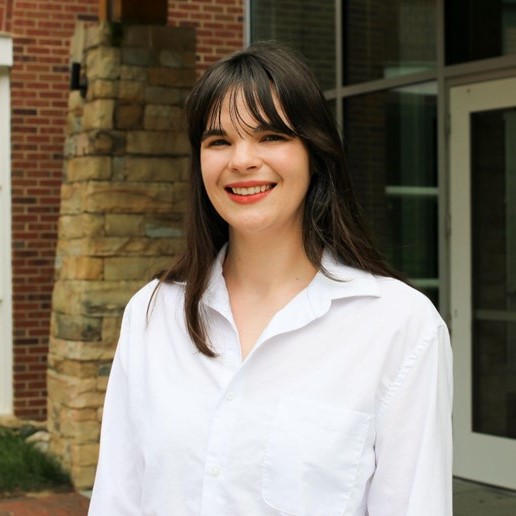
Design and Development Collaborators

Lauren Albin
United States
Lauren Albin received her Master of Science in space studies with an emphasis in astronomy from American Public University in 2020 and her Master of Fine Arts in creative writing with an emphasis in poetry and literary translation from Arizona State University in 2016. She currently serves as the director of the O. Wayne Rollins Planetarium and as instructor of astronomy at Young Harris College (YHC) located in Young Harris, Georgia, U.S.A. In addition, she oversees the operation and upkeep of the YHC Observatory. In summer 2024, Lauren will work with Putney Student Travel in collaboration with National Geographic as a group leader for high school students in the Engineering and Robotics Program on the MIT Campus. Her co-translation of South Korean poet Kim Hyesoon’s “A Drink of Red Mirror” was published by Action Books in 2019 and she received a grant from the Literary Translation Institute of Korea for her translation of South Korean poet Ra Heeduk’s “The Word that Stained the Leaf”. She is currently collaborating with archeologists at the University of Western North Carolina to visualize the Watauga mound, a sacred archeo-astrological site of the Cherokees, in the Rollins Planetarium. She is invested in using astronomy to make the world a better place.

Sisco Auala
Namibia
Sisco Auala is an advocate for the preservation of the dark skies and its Indigenous heritage for sustainable development. She is a researcher at the Namibia University of Science and Technology. Sisco was born in the northern part of Namibia, where at an early age she used to listen to ancient stories from her uncle around the fire and learn about the different constellations. She holds a Ph.D. in community-based tourism development from Nelson Mandela University in South Africa. Her research interests are in dark sky tourism/astro tourism, Indigenous astronomy and community development. She is currently working with Indigenous communities in Namibia to document their astronomical knowledge and to use this knowledge responsibly for sustainable tourism development. She believes that including the diverse cultural perspectives of our understanding of the night sky will provide a holistic interpretation of our universe and pique the curiosity of young minds as they gain interest in studying modern science.
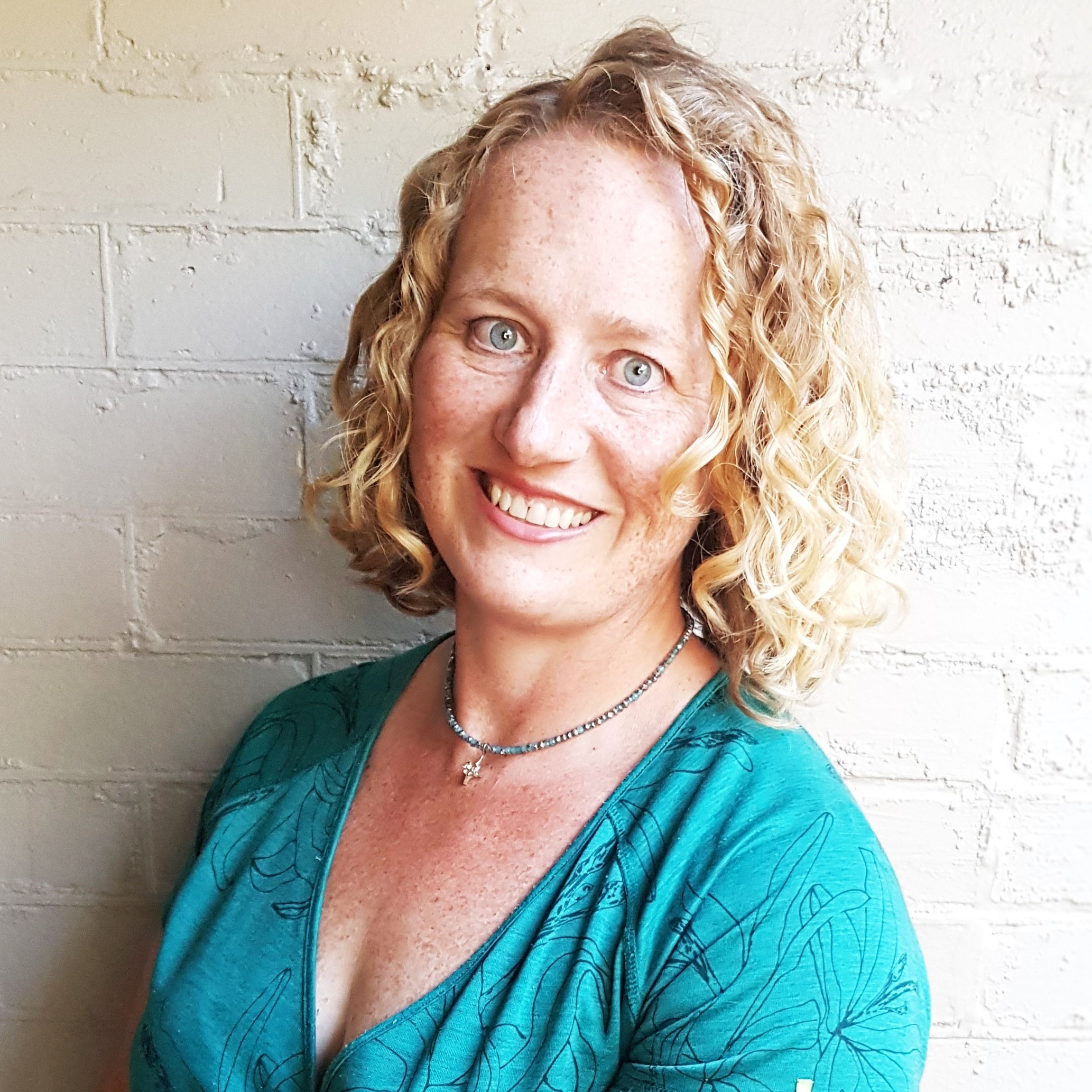
Kelly Blumenthal
Japan
Kelly Blumenthal holds both a Ph.D. in astrophysics from the Institute for Astronomy at the University of Hawai’i at Mānoa and an Master of Education in education policy and management from Harvard’s Graduate School of Education. In the past, Kelly has worked on projects focused on developing inclusive and equitable programs to engage a large sample of the population. Now, as the director of the International Astronomical Union Office for Astronomy Outreach (IAU OAO) at the National Astronomical Observatory of Japan, Kelly has the opportunity to continue this work on the international stage.

Jackie Bondell
Australia
Jackie Bondell is the senior education and outreach manager for the ARC Centre of Excellence for Dark Matter Particle Physics and the Centre of Excellence for Gravitational Wave Discovery. She focuses on connecting teachers, students and researchers, playing a pivotal role in crafting educational content for outreach programs and tailoring curricula for enhanced school engagement. At the core of Jackie’s strategy is the seamless integration of innovative technology and cutting-edge scientific content into curriculum-aligned education opportunities for students and teachers. With 15 years as a physics instructor in the U.S., earning multiple teaching awards, Jackie brings extensive experience to the field. Jackie’s collaborative and dynamic approach positions her as a valuable resource for educators seeking to enhance teaching methods, connect with the latest in science research and create impactful learning experiences for students.
In her leadership roles, Jackie chairs the Education and Outreach Chapter Steering Committee for the Astronomical Society of Australia. Additionally, she serves as the national astronomy education coordinator, representing Australia to the Office of Astronomy for Education within the International Astronomy Union. Moreover, she represents Australia to the International Particle Physics Outreach Group.

Fatemeh Bonyadi
Iran
Fatemeh Bonyadi is an Iranian scholar and practitioner in the field of communication sciences, with a keen interest in science, technology and innovation communication. Fatemeh’s doctoral research in communication sciences from Allameh Tabataba’i University in Tehran, Iran, delves into the nuanced mechanisms of trust in science and technology, with a specific focus on astronomy and space technology.
Her role as the head of the training committee at the UNESCO Chair on Science and Technology Communication in Iran underscores her dedication to advancing the dialogue between science and society. With over a decade of experience, Fatemeh has played multifaceted roles in science communication, from serving as an astronomy educator in science centers to contributing as science PR professional and science communication researcher.
Through managing “Soha” networks, which brought her the Falling Walls Engage Award 2021, Fatemeh has spearheaded interdisciplinary events that combine astronomy with arts, sports and entertainment, catering specifically to underprivileged youth, refugees, individuals coping with illness and children with disabilities. By integrating psychological support into the project’s framework, Fatemeh ensures that Soha effectively addresses the unique needs of its target groups, fostering a supportive environment for learning and engagement.

Stephen Case
United States
Stephen Case is a professor, historian of astronomy and writer with over 10 years of experience as a planetarium director and 15 years of experience teaching astronomy at the college level. His writings have appeared in The Planetarian, Physics Today, American Scientist, Aeon Magazine, Journal for the History of Astronomy, and elsewhere. He is the author of “Making Stars Physical: The Astronomy of Sir John Herschel“ and “Creatures of Reason: John Herschel and the Invention of Science” (forthcoming), co-editor of the “Cambridge Companion to John Herschel”, and is currently at work on a cultural history of astronomy for Reaktion Books. Steve is an ACEAP ambassador, taught in Italy as a teaching ambassador for the International Planetarium Society, is a member of the History of Science Society, and worked as a research assistant at the Adler Planetarium. He holds an Master of Arts in physics from the University of Mississippi and a Ph.D. in the history and philosophy of science from the University of Notre Dame, where he helps coordinate biennial history of astronomy workshops. In the summer of 2024, he organized a day-long public conference on Herschel’s influence with the Herschel Society at the Bath Royal Literary and Scientific Institute and presented at the Royal Society in London.
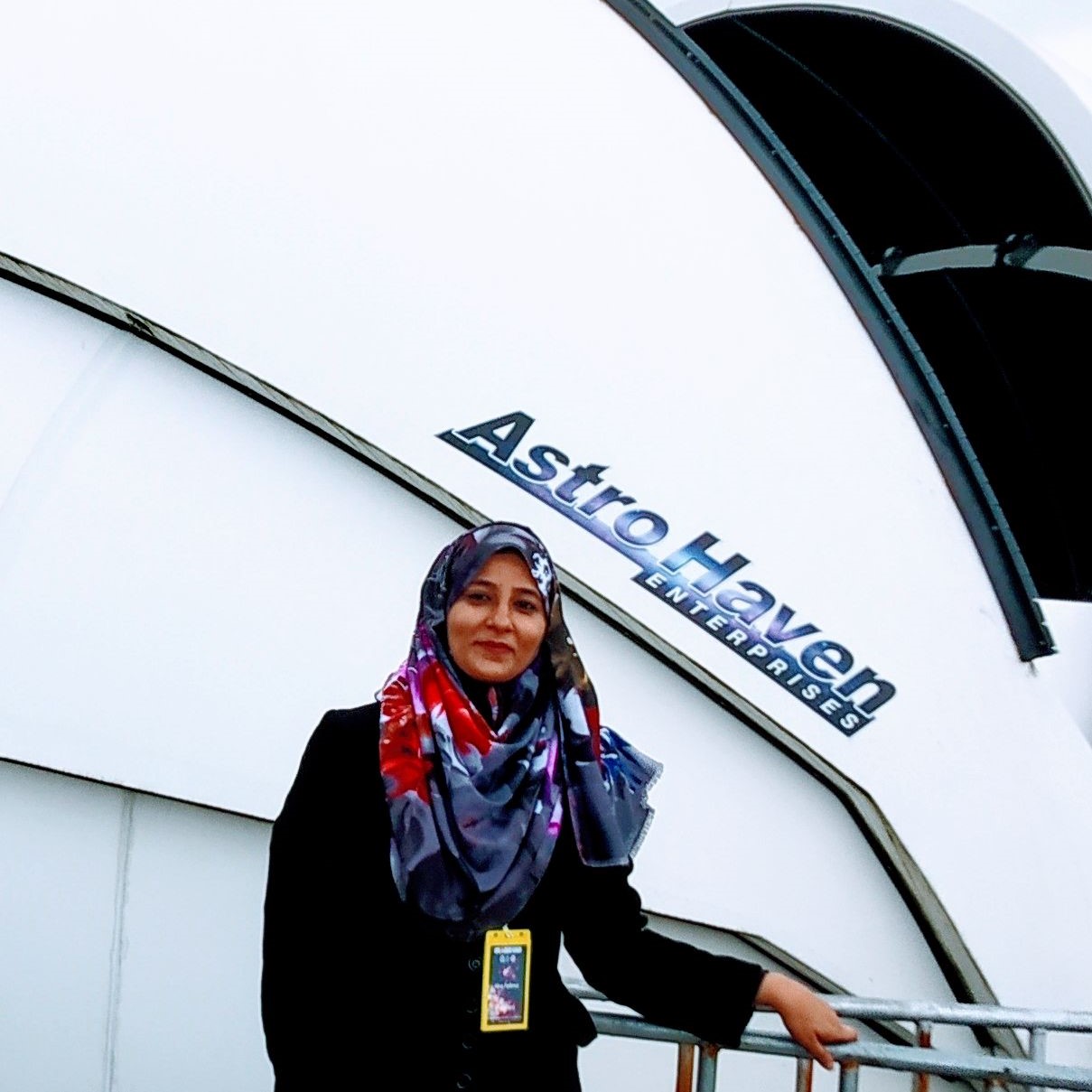
Hira Fatima
Pakistan
Hira Fatima currently holds the position of research associate at the National Center for Big Data and Cloud Computing. She is pursuing a Ph.D. and has previously obtained a Master of Philosphy in astrophysics from University of Karachi. Her research expertise spans star clusters, Milky Way structure and evolution. She served at the Institute of Space Science and Technology, assuming various roles.
Hira proudly serves as the national astronomy education coordinator for Pakistan at the IAU Office of Astronomy for Education and as the national coordinator for Pakistan at Astronomers Without Borders. She also holds position of an approved teacher for the International Astronomy and Astrophysics Competition. She spearheads various projects supported by the IAU Office of Astronomy for Education, IAU Office of Astronomy for Development and Royal Astronomical Society.
Hira is a founding member of the NED Astronomical Society. Her contributions have been recognized with the distinction of being a Royal Astronomical Society fellow and member of European Astronomical Society. Her role as a LCO Global Sky partner and member of the Education and Outreach Team of Radio Galaxy Zoo highlights her deep commitment to astronomy education. This dedication is further showcased through her organization of numerous astronomy STEAM workshops, tailored to engage a wide spectrum of participants, from school students to educators.
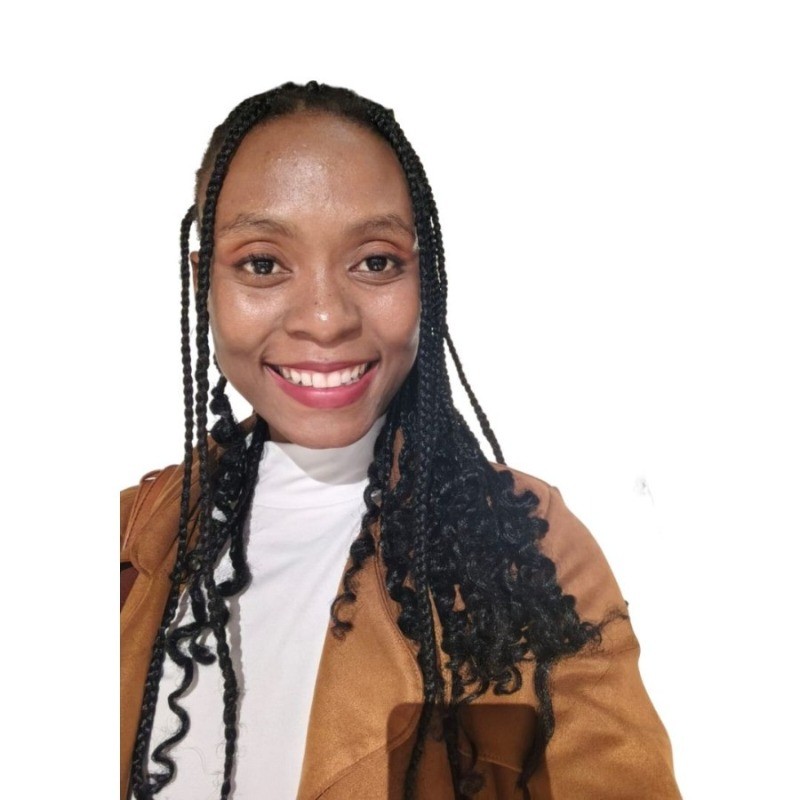
María Fernanda Durán
Chile

Michael Fitzgerald
Australia

Rachel Freed
United States
Rachel Freed has been teaching double star astrometry research seminars since 2016 after teaching high school chemistry and astronomy for 10 years. She holds a Bachelor of Science in biology, Master of Science in neuroscience and Ph.D. in astronomy education and has been an amateur astronomer for 24 years. She currently conducts educational research on programs in which students around the United States use robotic telescopes in their introductory astronomy courses in college.

Kevin Govender
South Africa

Steven R. Gullberg
United States
Steven Gullberg holds a Ph.D. in astronomy and is a professor of cultural astronomy at the University of Oklahoma. He has a significant background in archaeoastronomy course development and serves as chair of the International Astronomical Union’s Working Group for Astronomy in Culture. He is also managing editor of the Journal of Astronomy in Culture. He has conducted extensive field research on the astronomy of the Incas in the Peruvian Andes and, in addition to his books, has written many research papers, which he is regularly invited to present at international conferences as part of his work to globally advance the field of cultural astronomy.

Christine Hirst Bernhardt
United States
Christine Hirst Bernhardt is a Ph.D. candidate at the University of Maryland. Christine brings nearly two decades of experience teaching STEM subjects to grades 7-14, with a passion for utilizing space to cultivate STEM identity. In 2021-2022, she served in Congress as an Albert Einstein Distinguished Educator Fellow to advance STEM education initiatives at a national level. Her passion for all things space fostered the Excellence in Astronomy Teaching award and participation on NASA’s SOFIA mission. Christine identifies and addresses national needs in Earth and space education as the chair of the National Astronomy Education Coordinator team and U.S. member of the Global Leadership in Earth Science Education. Christine has developed programs and curricula such as a high-altitude balloon program, student space symposium and an international space camp. She holds master’s degrees in both space studies and science education. Her doctoral research centers on international astronomy education and teacher epistemologies for justice-oriented practice. She is interested in international science education and using Earth and space topics as a transdisciplinary gateway to STEM in early learning. As a retired professional mountain biker, Christine loves adventure; when she’s not setting records or recovering from knee surgery, she enjoys breaking gender boundaries in a male dominated sport and supporting women in sports.

Anastasios (Tasis) Kapodistrias
Stockholm
Anastasios (Tasis) Kapodistrias is from Zakynthos, Greece. He holds a Bachelor of Science in physics (sector of astrophysics) and a master’s in science education from the University of Athens. He has worked as a physics teacher and physics lab instructor for undergaduate students. Currently, he is a Ph.D. researcher at Stockholm University, in the field of astronomy education. Tasis is part of a paired Ph.D. project between the Departments of Teaching and Learning and the Department of Astronomy. Collaborating with a Ph.D. student in galaxy evolution and formation, he investigates how astronomy knowledge is constructed and mediated through the use of representations, ranging from mathematics and code to abstract diagrams and astronomical imagery.

Fatoumata Kebe
France
Fatoumata Kebe has completed a Ph.D. in astronomy at Sorbonne University on space debris, which are the remains of human activity in space accumulated over time. She was trained in space engineering for a year at the University of Tokyo. Passionate about passing her knowledge, she has written three books, two focused on the moon (“La Lune est un roman” and “Lettres à la Lune”) and the last one on the celestial objects photographed by the latest space telescopes (“Au-delà du ciel”).
Fatoumata was the co-chair of the International Astronomical Union Junior Members working group (term : 2018-2021). This working group is devoted to individuals who have completed a Ph.D. in the field of astronomy no more than five years ago before joining the union. It focuses on topics that are crucial to early career astronomers across the globe.
Fatoumata also dedicates her time and energy to inspire vocations through “Ephemerides”, an association she founded 10 years ago, which provides space and astronomy related activities mostly to people living in the disadvantaged areas of Paris region and Bamako. Her main goal through her association is to help young people embrace their ambitions and accomplish their dreams.

Duduzile Kubheka
South Africa
Duduzile Kubheka holds the position of BRICS Astronomy project coordinator, with her work base located at the South African Astronomical Observatory (SAAO). In her capacity, she is primarily responsible for coordinating BRICS Astronomy initiatives, including the oversight of the flagship project, the BRICS Intelligent Telescope and Data Network (BITDN), and leading the planning and execution of activities aimed at societal benefits. Additionally, Duduzile serves as the co-chair for the Outreach and Education Committee of the African Astronomical Society (AfAS), which is instrumental in implementing various astronomy outreach and educational endeavours throughout Africa. Currently, she is pursuing an Master of Philosophy in Science and Technology Studies (Science and Public Engagement) at Stellenbosch University, Centre for Research on Evaluation, Science and Technology (CREST).
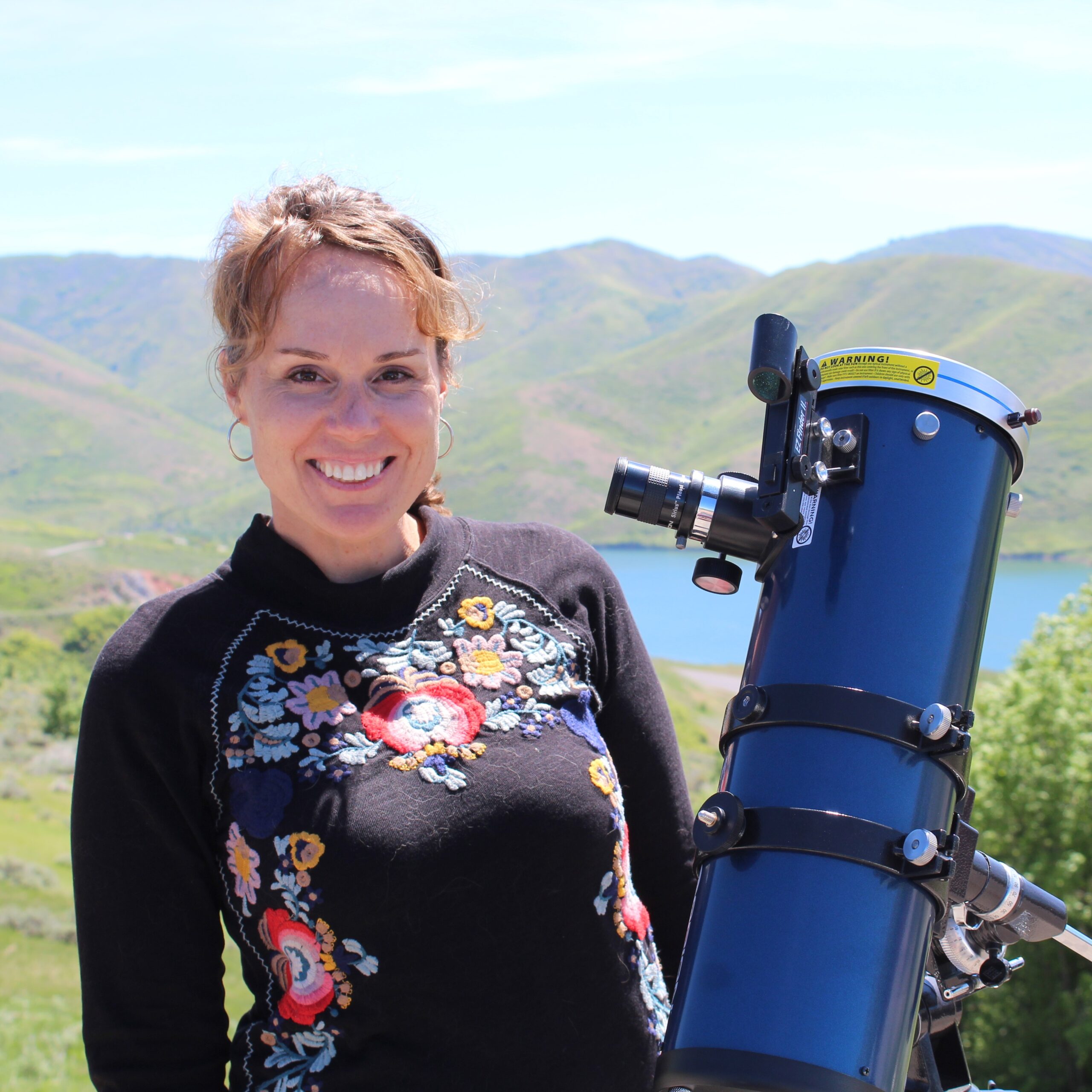
Emily Lehnardt
United States
Emily Lehnardt first “gravitated” towards the exciting world of astronomy during a high school lecture about black holes. From that moment, she has actively pursued anything space related. She is the former director of the Utah Women Astronomical Society, which focuses on STEM and astronomy outreach. Her love of knowledge, exploration and space is contagious, and, for her indefatigable talent for teaching, Emily is a two-time award-winning educator. Currently, she is pursuing a Ph.D. in science education with a research interest in astronomy and STEM. Additionally, she is collaborating with Clark Planetarium to create robust astronomy curriculum for rural communities. Emily loves to travel and share her passion about astronomy with others.
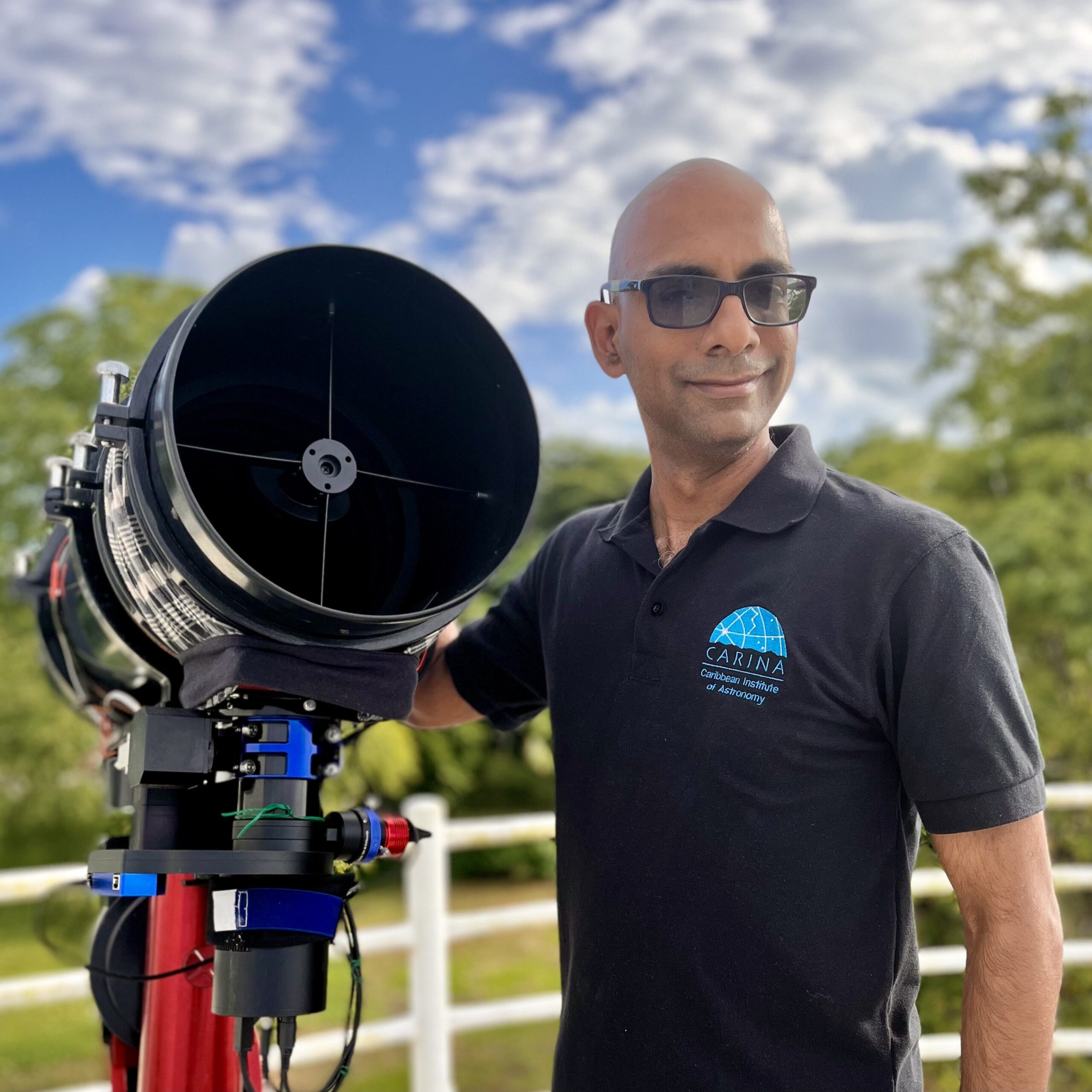
Lars Lindberg Christensen
United States
Lars Lindberg Christensen is an astronomer and science communicator. He has authored a dozen popular science books translated into more than 10 languages. Lars has directed more than 10 documentaries and planetarium movies that have received critical acclaim around the world. He is responsible for the communication, education and engagement for NSF’s NOIRLab, consisting of Cerro Tololo, CSDC, Gemini, Kitt Peak and Rubin operations. Lars has more than 200 publications to his credit, most of them in popular science communication and its theory. Lars received the 2021 Klumpke-Roberts Award and the Tycho Brahe Medal in 2005 for his achievements in science communication and has been credited with leading the most successful outreach efforts in ESO’s history. Lars is also the IAU director of communication.

Tshiamiso Makwela
South Africa
Tshiamiso Makwela obtained her Ph.D. in astronomy from the University of Cape Town. Currently, she is a postdoctoral fellow at the International Astronomy Union (IAU); Office of Astronomy for Education (OAE) at the Max Planck Institute of Astronomy (MPIA) Haus der Astronomie, Germany; and the Department of Astronomy at the University of Cape Town (UCT), South Africa. She has keen interest in astronomy education research, where she investigates different aspects of students’ engagement with astronomy phenomena. Tshiamiso’s work is characterized by a deep commitment to creating opportunities for meaningful engagement with the rich astronomy content for all.
As part of her IAU OAE work, Tshiamiso coordinates the Teacher Training Program, which is aimed at improving the teaching and learning of astronomy in primary and secondary schools. Giving an opportunity for astronomers, teachers and other people working in astronomy worldwide to collaborate in developing a workshop for their local teachers and thus enhancing their science classrooms practices. This is also a mission to convince different ministries of education to view astronomy as a science and not just a hobby, and advocate for its inclusion in their school curriculum.
As part of her commitment to issues of diversity, inclusion, equity, equality, etc., Tshiamiso served as a co-chair of the UCT astronomy department transformation and inclusivity committee. In 2019, she was a volunteer for the IAU Molo Mhlaba school for girls astronomy outreach, of which won the IAU women and girls in STEM award. She was also named as one of the inspiring 50 women in science in 2020, recognising her contributions in science, astronomy and education.

Isa Mohammed
Trinidad and Tobago
Isa Mohammed is an amateur astronomer, engineer and entrepreneur residing in Trinidad and Tobago. He is the current president of the Caribbean Institute of Astronomy, the Trinidad and Tobago National Coordinator for Astronomers Without Borders, an advisory board member of the North American Regional Office for Astronomy Development, and an ACEAP astro-ambassador. Apart from his work in astronomy outreach and education, he is also an avid astrophotographer. Isa is a director and sales manager at Eniath’s Printing Company Limited, founder of Corvus Trading ltd., and chairman of the Project600 Committee. He holds a Bachelor of Science in electrical and computer engineering. When he’s not tending to his business or doing outreach, he can usually be found behind a telescope, fishing or playing board games with his wife and three sons.
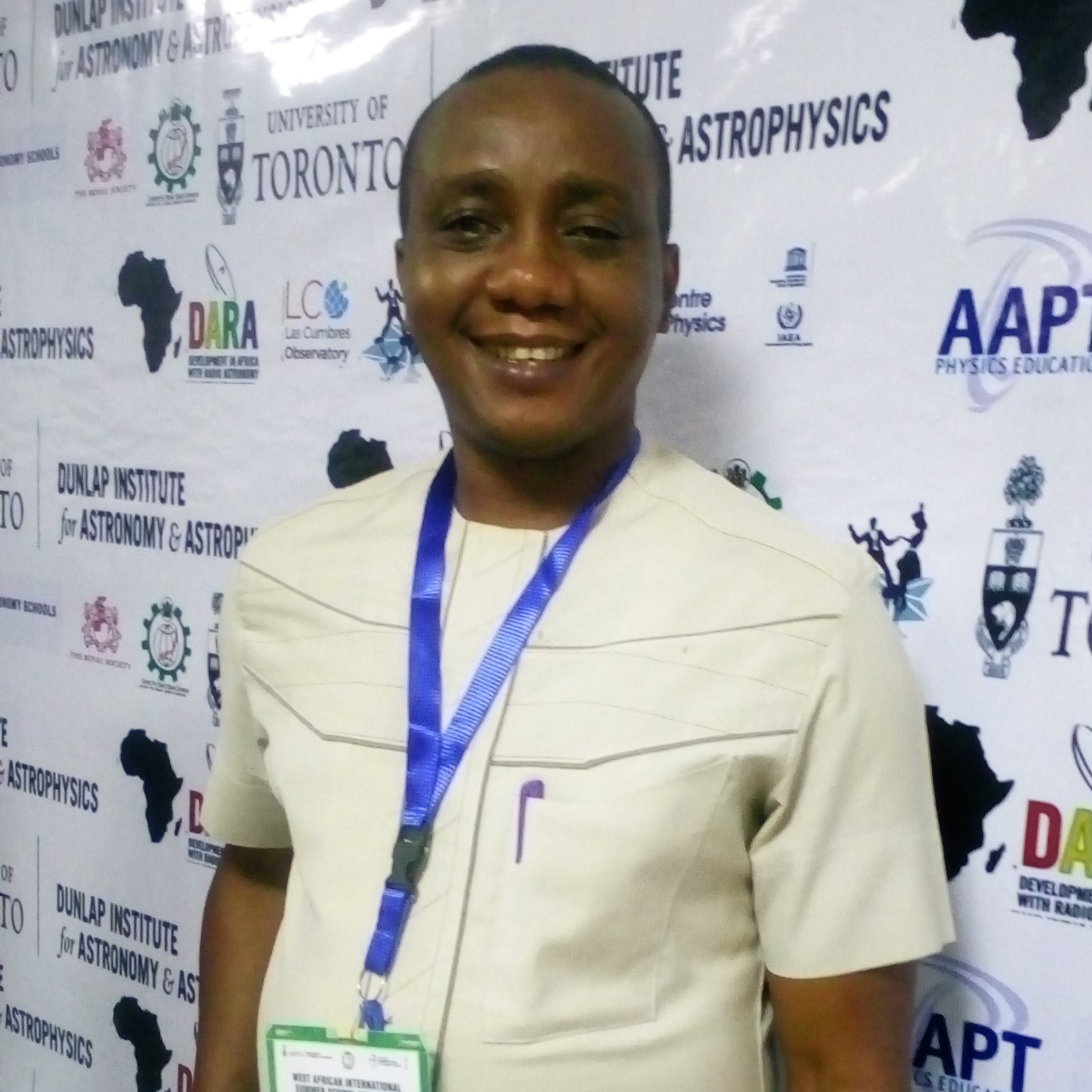
Chukwujekwu Nworah Ofodum
Nigeria
Chukwujekwu Nworah Ofodum, Ph.D., is an assistant director at the Centre for Basic Space Science and Astronomy, Nigeria. As a researcher with a Bachelor of Science (physics and industrial physics) as well as a Master of Science and Ph.D. (astrophysics), he has published many articles in reputable peer-reviewed journals. With a PGD and MBA in marketing and with a strong interest in communicating/marketing astronomy for the benefit of mankind, he has served as a member of the Scientific Organizing Committee as well as an instructor for the Pan-African School for Emerging Astronomers (PASEA) from its inception in 2013 to present. Together with his team, they have grown PASEA from a regional (West-African) project at inception to a continental project. Again, he belongs to numerous professional bodies, including the Astronomical Society of Nigeria (ASN) and African Astronomical Society (AfAS), among others. Explicitly, he has been serving as the secretary of the Scientific Organizing Committee for the ASN from 2017 to present; in addition to serving presently as a member of the AfAS’ Membership Committee. Since 2013, he has worked for the Office of Astronomy for Development (OAD) as a member of its Task-Force Two (Astronomy for School) as well as a member of its Proposal Review Panel.
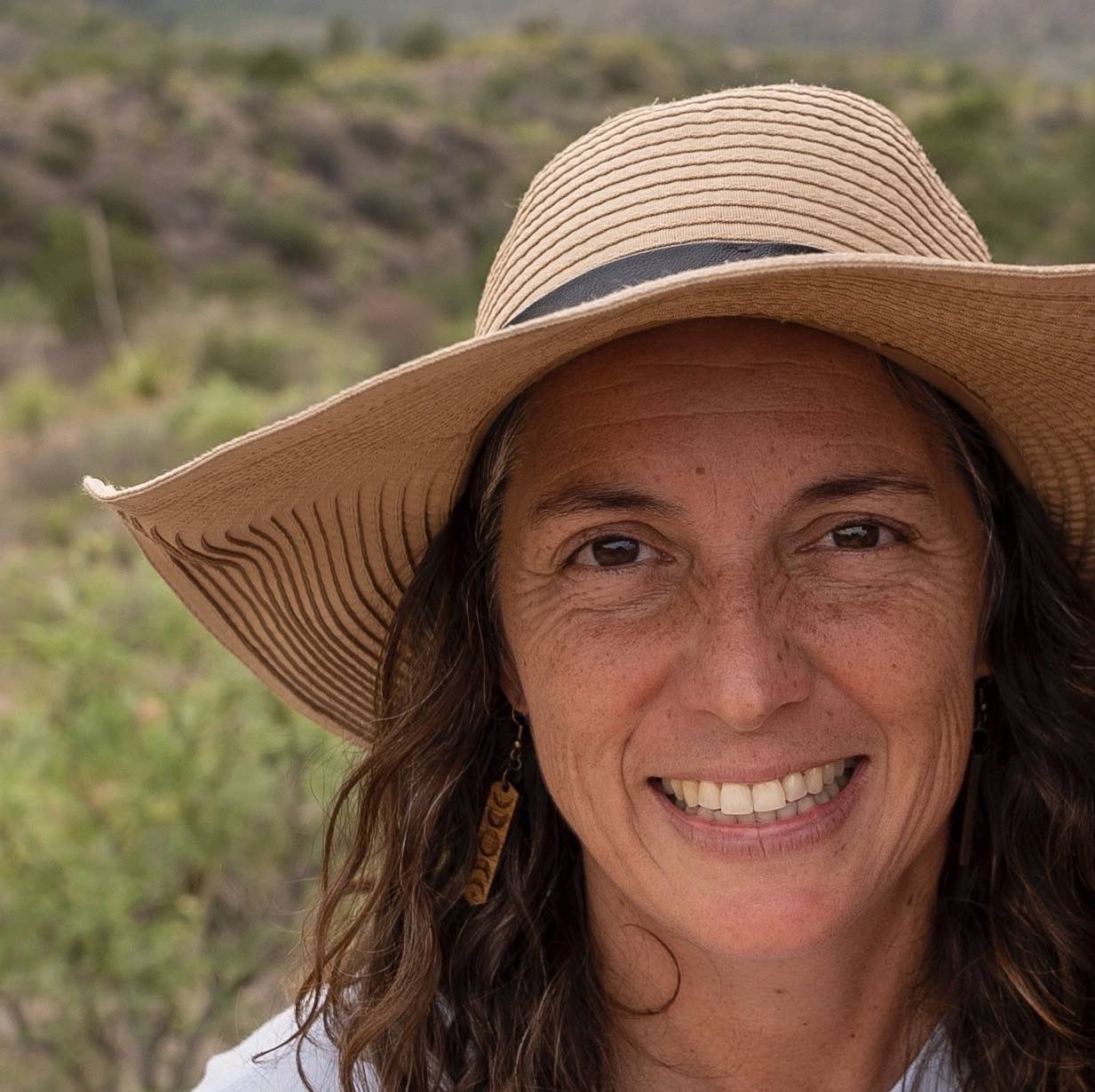
Michael O’Shea
Canada
Michael O’Shea is a professional educator, amateur astronomer and qualitative researcher specializing in diversity, equity, inclusion, decolonization (DEID) questions, in education — particularly in informal science settings. His published research has explored DEID questions in access to higher education, students’ sense of belonging in higher education settings and critical geographies of astronomy education access.
A committed scholar-practitioner, Michael is also an educator and higher education administrator, having worked in a variety of roles to support student access and success in higher education. He co-founded #popscope, an urban movement that aims to reconnect communities to the night sky — and to each other — by hosting free, “pop-up” astronomy nights in public spaces. The group recently celebrated its #popscope’s 10th anniversary. Since 2014, the group has served 21,400 guests at nearly 500 events in a variety of urban spaces often overlooked by other outreach groups, including subway stations, brightly lit sidewalks and busy street corners.
He holds a Bachelor of Arts (public policy analysis) from Pomona College, a master’s (higher education) from the University of Pennsylvania, and a Ph.D. (higher education) from the University of Toronto. He was a Fulbright student (2011), New Leaders Council fellow (2017), and junior fellow at Massey College (2018-2021).
His published work on astronomy education, and diversity, equity and inclusion has appeared in The Walrus, National Post, Hill Times, the Chicago Sun-Times, Journal of Canadian Higher Education, University Affairs, Irish Echo and Irish American News.

Amy Paredes
United States
Amy Paredes is the executive director of Starry Sky Project. Starry Sky Project connects people with the cosmos through experiential, night sky education and protects the night sky through research and conservation. She has 20 years of collected experience in astronomy education, informal science education, nature-based outdoor education, dark sky education and conservation and light pollution research. Prior to her role as executive director, Amy has provided opportunities for kids and adults to learn about the night sky in a nurturing, small outdoor classroom environment through her business Starr Sky Austin. Amy has collaborated with organizations to provide astronomy and dark sky education to Central Texas, such as Travis County Parks Reimers Observatory, the University of Texas Informal Classes program, the Austin Independent School District, the University of Texas McDonald Observatory, Girl Scouts of Central Texas and Dark Sky Texas.
Amy is a volunteer and past board member of Dark Sky Texas. In 2017, Amy became an ambassador for NoirLab’s Astronomy in Chile Educator Ambassador Program (ACEAP) and released her first children’s book written to inspire children to learn about the night sky, “Cassandra and the Night Sky”. Amy holds a Bachelor of Physics from the University of Houston, a Master of Science in teaching from Rice University and a Master of Science in geography from Texas State University.

Emily Peavy
United States
Emily Peavy is the education and engagement senior assistant at the International Gemini Observatory operated by NSF NOIRLab, based in Hilo, Hawaiʻi. Emily is a graduate of the University of Hawaiʻi at Hilo with a Bachelor of Science in astronomy and a master’s in education. With her master’s, she focused on free-choice learning in the planetarium environment and compared the educational and entertainment values of live planetarium programming to pre-recorded planetarium programs. In a previous role, Emily managed the programming and technical equipment of the digital planetarium at ʻImiloa Astronomy Center, where she worked alongside other science and cultural educators to connect place-based science with the unique culture and community of Hawaiʻi.
While working as an astronomy educator in Hawaiʻi for over a decade, Emily is interested in the role and impact of the astronomy industry within the remote communities where observatories operate; especially considering the socioeconomic and ethnic diversities of these communities. What are the perceptions of community members towards both astronomy as a science and as an industry? How well does astronomy interface with these communities and how can it be improved? Can astronomy support NGSS learning in community schools? Can the astronomy/science industry be a path out of poverty?

Karly Pitman
United States
Karly Pitman, Ph.D., is a senior scientist and holds a Ph.D. in physics from Louisiana State University and A.B. in astronomy and geology from Vassar College. She has worked as a contractor, consultant, soft money researcher and executive in astronomy.
Karly has an active service record in the AAS, American Geophysical Union and American Physical Society in professional development, demographics, and STEM employment pipeline issues. She has served as a subject matter expert for several large-scale education NASA projects and as a STEM role model for NIFTY (NASA Inspires Futures for Tomorrow’s Youth).

Pedro Russo
The Netherlands

Brandon Rodriguez
United States
Brandon Rodriguez is the educator professional development specialist at NASA’s Jet Propulsion Laboratory. With a background in chemistry, Brandon worked as a research scientist for several years, making bio-plastics for the Dow Chemical Company before finding a passion for education. He shifted his career away from the private sector and into the classroom via teaching seven years of high school and college chemistry and physics. He then extended his teaching role to preparing preservice teachers by teaching graduate-level education courses, assisting future teachers bring engaging science to their own classrooms. This led him to a position in the Education Department at JPL in Pasadena, California. In his role, Brandon gets to live in ‘both worlds’, performing astronomical research in areas such as ancient asteroid impact signatures and young stellar object formation via IR astronomy, while also writing curriculum and leading professional development for educators.
During his eight years at JPL and alongside his incredible team, he has conducted hundreds of workshops for students and teachers around the country, organized the televised programming for the Perseverance landing in 2021, and published dozens of classroom activities for educators everywhere.
Brandon is an avid traveler, having visited over 40 countries and all seven continents. As a loud advocate for nerd culture, his happiest moments are spent reading science fiction, watching “Star Trek” with his colleagues, and eagerly plotting his next Dungeons and Dragons session.

Saeed Salimpour
Australia
Saeed Salimpour is an Alfred Deakin Research Fellow at Deakin University and associate scientist at the IAU OAE/Max-Planck Institute for Astronomy, focussing on astronomy education research. His background in cosmology, visual art/design and education enables his research to cross disciplinary boundaries and includes science and astronomy education (focus on cosmology), creativity, representations, aesthetics, big data visualisation, learning progressions, concept inventories, VR/AR, curriculum development and Indigenous/cultural astronomy. He has worked with international collaborations, implemented research-based astronomy projects, conducted teacher training, taught high school physics and design, lectured at university, exhibited in art exhibitions, and given public talks about the Universe.

Shannon Schmoll
United States
Shannon Schmoll, Ph.D., is the director of the Abrams Planetarium at Michigan State University and president-elect of the International Planetarium Society. She holds a joint Ph.D. in astronomy and science education and a certificate in museum studies. She participated in the first cohort of both the Astronomy in Chile Educator Ambassador Program and Mission Patagonia to learn about astronomy and conservation research. She was the research lead on the Big Astronomy Project, studying how virtual programming during the pandemic compares to in person visits to a planetarium. As part of IPS, she is working on building infrastructure to support planetarium education research.

Charles Takalana
Africa
Charles Mpho Takalana completed his Ph.D. in physics, focusing on astronomy and astrophysics at the University of the Witwatersrand in December 2020. He completed his undergraduate studies at the University of Johannesburg in South Africa. Charles currently works at AfAS as the head of secretariat. He supports the AfAS Executive Committee, Committees and Working Group, manages the AfAS secretariat, and coordinates all AfAS projects to ensure that they achieve their objectives within the timelines and funding provided. He serves as a co-chair of the NOC of the IAU General Assembly, taking place in Cape Town in August 2024. He was an astronomy policy researcher at SARAO based at the South African Department of Science and Innovation (DSI).

Eugene Tetteh-Owusu Okwei
United Kingdom
Eugene Tetteh-Owusu Okwei is an experienced science lecturer and educator. Eugene received his Ph.D. in physics and astronomy from the University of Leeds; master’s degree in science education from the University of Education, Winneba, Ghana; Postgraduate Diploma in science education; and a Bachelor of Science in physics from the University of Cape Coast, Ghana.
Eugene’s research interests are physics education research (PER) and astronomy education research (AER). He is a fellow of the Royal Astronomical Society (FRAS), a member of the Institute of Physics (MInstP), a member of the National Astronomy Education Coordinator (NAEC) team in Ghana, and possesses an U.K. Qualified Teacher Status (QTS).
His master’s thesis focused on using astronomical models to improve students’ attitudes and achievements in physics. Eugene’s doctoral research work focused on the impact of large-scale radio astronomy projects on students’ engagement with physics in Ghana. National and international investment in large radio astronomy projects — such as the Leeds Development in Africa with Radio Astronomy (DARA) project, the African VLBI Network and the Square Kilometre Array — have the potential to inspire the next generation of scientists and engineers in the participating African countries.
Eugene has served on many institutional and national committees. He was one of the postgraduate trainees who successfully completed the radio astronomy training program in Ghana by the Royal Society, U.K./Ghana Space Science and Technology Institute (GSSTI), SKA, South Africa (Cohort 1). Eugene was the founder and patron of the Astronomy Club at Komenda College of Education, where he taught. As the founder and chief patron of the Astronomy Club at his college, Eugene worked tirelessly to enrich students’ knowledge on fundamentals of astronomy, physics concepts and general space science/astronomy concepts. After finishing his Bachelor of Science in physics, he worked as a research assistant/teaching assistant in the Department of Physics at the University of Cape Coast. He was a national treasurer of the Physics Students Association of Ghana (PHYSAG) in 2005. He has also served as an outreach team member of the Promoting Radio Astronomy in Ghana through School visits and Astronomy Clubs (PRAGSAC) and as a STEM ambassador.
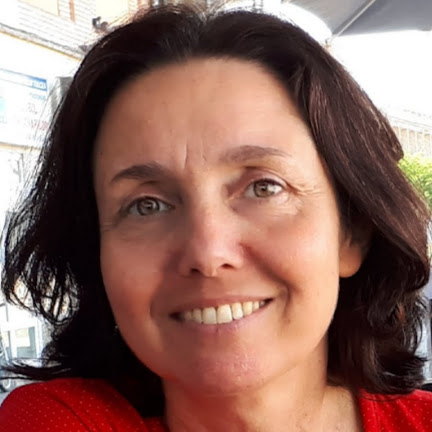
Ayelet Weizman
Israel
Ayelet Weizman is a space educator living in Israel. Her academic background combines science and technology with education. After completing her Ph.D. in planetary sciences about the thermal evolution of Mars, she specialised in the field of science education and educational technology during three post-docs, one of them at MSU. She served as vice president of education at SpaceIL during the development of the Israeli spacecraft Bereshit1.
She is currently a lecturer at the M.Ed. in Ed.Tech. program at Kibbutzim College of Education, leading a track that focuses on innovative technology in education (like AI, robots and VR), using space as a context for the advancement of 21st-century skills and competencies. As part of this track students engage in action research. Some of them choose to study aspects of space education in various grade levels, while others focus on innovative technologies in teaching and learning. Ayelet’s research interests include space education, computational thinking and teacher education. She is active in several international organisations, including chairing the Israeli NAEC team, and participating in the Space Education and Outreach Committee (SEOC) of IAF.

Vivian White
United States
Vivian White is currently the director of Free Choice Learning at the Astronomical Society of the Pacific, administering the Night Sky Network (NSN). A community of more than 400 amateur astronomy clubs across the country, NSN has been supporting club outreach and events with an interactive website and webinars since 2004. Vivian designs astronomy activities and demos specifically for informal settings, working with citizen scientists, Girl Scouts, Buddhist monks, undergraduate students and many others to expand the ways we learn astronomy out of school. Beyond the night sky, her passions include pottery, poetry and social justice. She can often be found building something outlandish with her kid out of found materials.